
Best D2C Creator Partnerships in India (2026): Formats That Actually Drive Revenue
12 min read · Influverse · Ahmedabad
Best D2C Creator Partnerships in India (2026): Formats That Actually Drive Revenue
The Indian D2C category quietly hit an inflection point in late 2025: one-off creator posts stopped delivering the CAC math that made influencer marketing the default channel for growth-stage brands. The category didn't stop working — the format did. What is working in 2026 is a sharper, more operationally demanding set of partnership formats built around repeat exposure, whitelisted paid amplification, subscription-style content series and revenue-share ambassador programmes.
This guide is the format-by-format breakdown of what is working, the CAC math behind each, and the operational shape brands need to run them. Every recommendation here is field-tested across launches we have shipped for Indian D2C brands in beauty, F&B, home, personal care and consumer electronics.
Format 1 — Whitelisted paid amplification
The single most CAC-efficient creator format currently available in India. The creator's organic content runs as a paid ad from the creator's handle, targeting a lookalike of the brand's warm audience. The mechanic works because the ad inherits the creator's social proof, avoids the 'ad fatigue' penalty of a branded handle, and lets the brand scale winning creative independently of the creator's organic reach.
Realistic 2026 benchmarks: whitelisted D2C creative in India consistently delivers a 25–45% lower CAC than the same brand's branded-handle creative, at 3–5x the scalable spend ceiling. The operational cost is meaningful — rights fees typically add 30–60% over the base talent fee — but the CAC math almost always justifies it.
Format 2 — Subscription-style content series
A 6–12 month partnership where the creator publishes a fixed cadence of content (monthly Reel + quarterly YouTube long-form + weekly Stories) using the product across a real usage arc — a skincare routine, a fitness journey, a kitchen upgrade, a home renovation.
This format outperforms one-off Reels by 4–8x on attributable revenue because it compounds trust and creates repeat brand exposure across the audience's own buying-consideration window. It is also the format most brands under-invest in, because the ROI shows up in months 4–8, not weeks 1–2.
Format 4 — Product co-creation and limited drops
A creator is involved in product development — flavour, colourway, formulation, packaging — and the resulting SKU is co-branded and drop-launched to their audience with brand-side amplification.
The format's power is the built-in demand pre-validation: the creator's audience has effectively voted for the product by following the creator, so drop sell-through rates in the 70–100% range are routine. The operational demand is high (product development timelines, creator legal, revenue-share structuring) and the format only works with creators whose audience genuinely trusts their taste — but when it works, it delivers the strongest LTV cohort a D2C brand can source.
Format 5 — Bundled cross-brand collabs
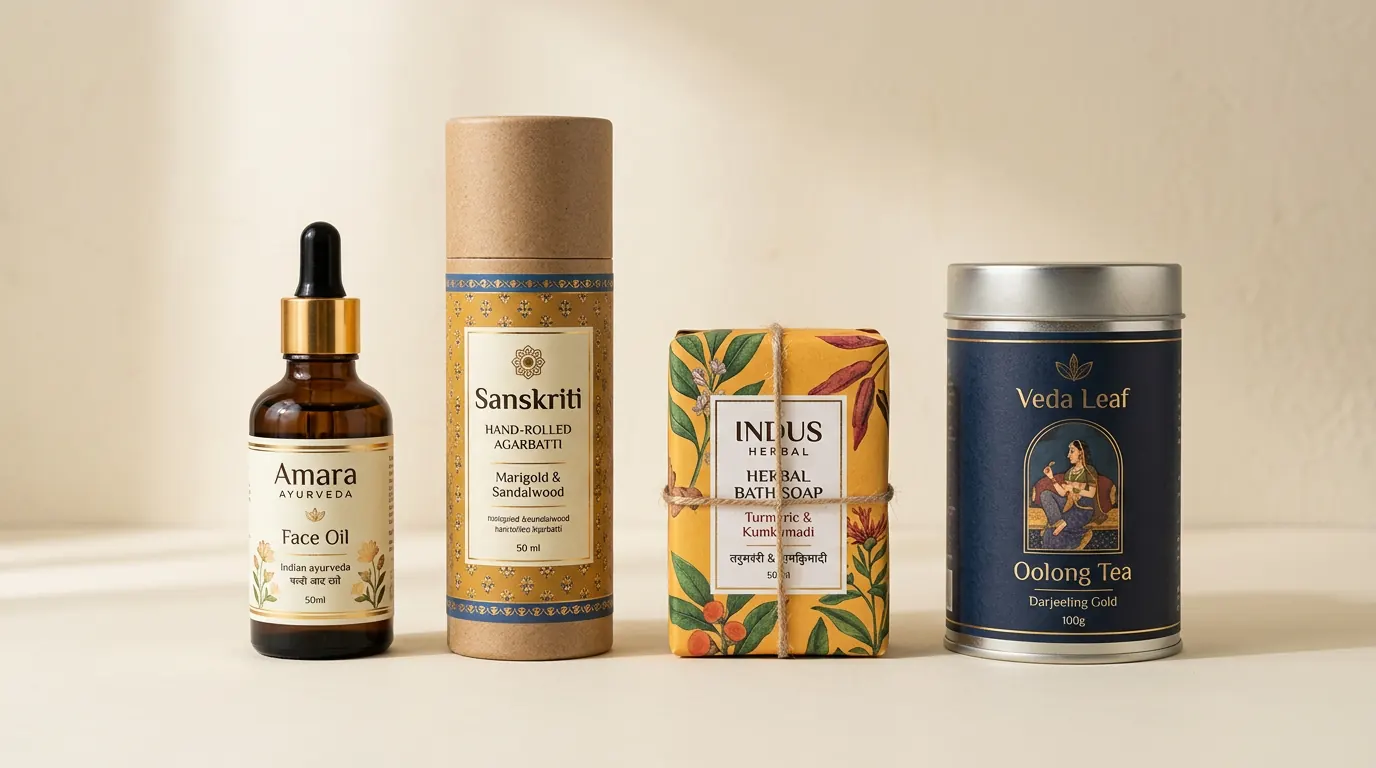
Two or three complementary D2C brands (e.g. a skincare brand + a fragrance brand + a wellness brand) co-fund a single creator campaign, sharing rights, amplification budget and audience. The economics compound because each brand pays a fraction of the campaign cost and accesses the full audience.
This is the fastest-growing D2C partnership format in India in 2026 and is particularly effective in beauty, wellness, food and home. The operational lift is coordinating three brand marketing teams — which is the entire reason most brands still underuse it.
Measurement and the CAC-payback view
Every one of the five formats above is defensible only when tied to a CAC-payback model. Track attributed revenue via unique codes and UTMs, blend with wallet-connect attribution where available, and pipe the cohort into a 30/60/90-day retention view. A creator campaign that delivers a ₹1,200 CAC on a ₹3,800 first-order AOV is a good campaign only if the second-order rate at day 60 holds up — otherwise you have subsidised a one-time discount hunter cohort.
The brands compounding fastest in Indian D2C right now are the ones that run creator campaigns as an acquisition engine measured on cohort LTV, not on impressions. That is the operating model this entire format list is designed to serve.
The Bottom Line
The best D2C creator partnerships in India in 2026 are not one-off Reels — they are whitelisted, subscription-style, revenue-share, co-created and bundled formats built around repeat exposure and CAC-payback measurement. Brands that upgrade their format mix out-perform brands still buying single posts, on every metric that matters.
Influverse designs and runs managed D2C creator programmes across all five formats above. Request a proposal and we will map a format mix, creator slate and CAC-payback model to your brand in 72 hours.
Frequently asked questions
What about: Format 1 — Whitelisted paid amplification?+
The single most CAC-efficient creator format currently available in India. The creator's organic content runs as a paid ad from the creator's handle, targeting a lookalike of the brand's warm audience. The mechanic works because the ad inherits the creator's social proof, avoids the 'ad fatigue' penalty of a branded handle, and lets the brand scale winning creative independently of the creator's organic reach.
What about: Format 2 — Subscription-style content series?+
A 6–12 month partnership where the creator publishes a fixed cadence of content (monthly Reel + quarterly YouTube long-form + weekly Stories) using the product across a real usage arc — a skincare routine, a fitness journey, a kitchen upgrade, a home renovation.
What about: Format 3 — Revenue-share ambassador programmes?+
A structured programme with 8–20 nano and micro creators on a fixed base fee plus a 5–15% revenue-share on attributable orders (tracked through unique discount codes, dedicated links or wallet-connect checkout).
What about: Format 4 — Product co-creation and limited drops?+
A creator is involved in product development — flavour, colourway, formulation, packaging — and the resulting SKU is co-branded and drop-launched to their audience with brand-side amplification.
What about: Format 5 — Bundled cross-brand collabs?+
Two or three complementary D2C brands (e.g. a skincare brand + a fragrance brand + a wellness brand) co-fund a single creator campaign, sharing rights, amplification budget and audience. The economics compound because each brand pays a fraction of the campaign cost and accesses the full audience.
Keep reading
 Beverages
Influencer Strategies for Premium Drink and Beverage Brands
 Appliances