
How Interior Brands Generate Leads Through Instagram Influencers (Ahmedabad Field Playbook)
14 min read · Influverse · Ahmedabad
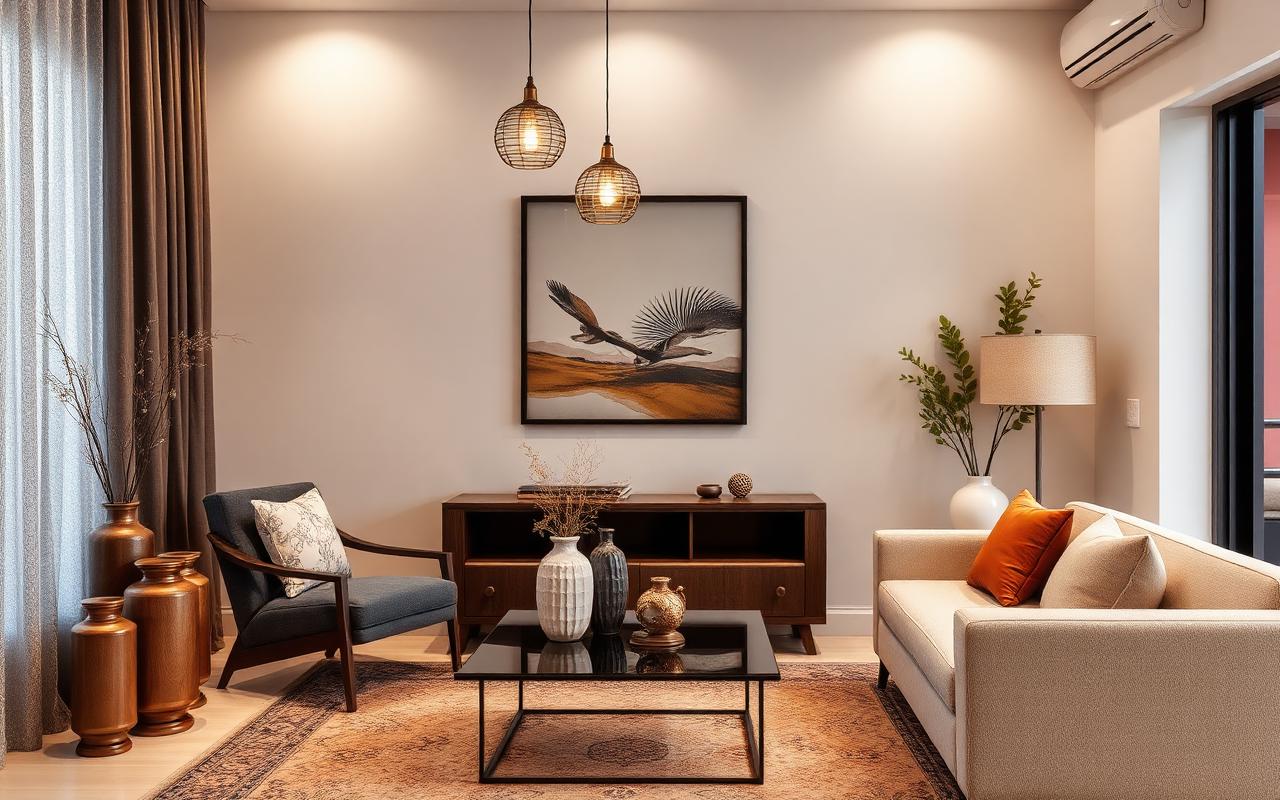
How Interior Brands Generate Leads Through Instagram Influencers (Ahmedabad Field Playbook)
Most Home Decor & Interiors brands in India do not have an influencer marketing problem. They have an influencer marketing operating system problem. The creators exist, the budgets exist, and the audiences are scrollable from any Ahmedabad office on any Monday morning. What's missing is the disciplined, repeatable structure that turns those three inputs into measurable, defensible business outcomes — leads, sales, retention, brand equity. This playbook is that structure, specifically engineered for Home Decor & Interiors and tested against Ahmedabad homeowners furnishing 3BHKs in Shela, Bopal, South Bopal and SG Highway townships, and Surat families finishing new builds in Vesu and Pal.
Across the Home Decor & Interiors engagements we run at Influverse from our Jagatpur, Ahmedabad office, the brands that compound are not the ones with the biggest budgets or the most famous creators. They are the ones that take the WhatsApp-first lead flow, creator-led showroom walkthroughs and pincode-targeted retargeting stack that turns Reels into booked design consultations seriously and operationalise it with discipline. Everything below is field-tested in real Gujarat conditions — high-trust, family-driven, WhatsApp-native, and far less forgiving of generic pan-India playbooks than most pitch decks acknowledge.
WhatsApp-first lead capture: why forms die in Home Decor & Interiors
In Home Decor & Interiors, traditional lead forms convert at 0.6–1.4% from creator-driven traffic. WhatsApp-first routing — link sticker on the Reel → direct chat → human reply within 15 minutes — consistently converts 4–7%. The difference is not creative; it is friction. Ahmedabad homeowners furnishing 3BHKs in Shela, Bopal, South Bopal and SG Highway townships, and Surat families finishing new builds in Vesu and Pal are conditioned to ask questions in chat, not surrender contact details to a form.
Set up a dedicated WhatsApp Business number per campaign with pre-written reply templates, a quick-reply menu and a 15-minute SLA during business hours. Tag every inbound by creator so attribution survives the handoff to sales. Pair this with a Meta Click-to-WhatsApp ad layer running on whitelisted creator handles, geo-fenced to your target pincodes. This single architectural decision is responsible for more lead-volume lifts in our Gujarat client portfolio than any creative change.
Creator-specific UTMs and the attribution stack that survives
Every creator gets a unique UTM, a unique discount/keyword code, a unique landing variant and a unique WhatsApp tagging convention. Without this, attribution collapses inside week one and the renewal conversation degrades into vibes. The stack is operationally trivial — a shared sheet with creator → UTM → code → landing URL → WhatsApp tag — and pays back inside the first campaign by surfacing which creators are actually driving qualified pipeline versus which are driving vanity reach.
In the Home Decor & Interiors pipeline we run for Gujarat clients, this attribution discipline routinely reveals that 20% of the creators on the brief are producing 70% of the qualified leads. That insight resets the entire creator-selection rubric for the next quarter — and is the single biggest reason in-house campaign attempts plateau while agency-run programmes compound.
How we source Home Decor & Interiors creators (and reject the ones that don't fit)
Our Home Decor & Interiors creator shortlist comes through three filters, in order. First, audience overlap with the buyer profile (Ahmedabad homeowners furnishing 3BHKs in Shela, Bopal, South Bopal and SG Highway townships, and Surat families finishing new builds in Vesu and Pal) — measured through comment-language analysis and follower-pincode sampling, not stated demographics. Second, content authenticity within the category — does the creator already post organic home decor & interiors content, or are they bolting on a new vertical for the brand deal? Third, engagement health — comment quality, save-to-like ratio, and the absence of pod-driven engagement signals.
Creators that pass all three go into a 30-day observation window where we track their organic posting cadence and audience reaction before any brand work begins. Roughly 1 in 9 creators in our initial Home Decor & Interiors sourcing pipeline survives this filter — which is exactly why Influverse-led campaigns outperform self-managed ones. The creator-selection compounding is invisible from the outside but enormous in the results.
Related deep dive: Influencer Marketing Ideas for Home Decor Product Launches (That Actually Move Inventory).
Handling the "scale anxiety — buyers cannot visualise how a ₹40,000 sofa actually fits a 12x14 living room" objection
Every Home Decor & Interiors buyer hits the same core hesitation: scale anxiety — buyers cannot visualise how a ₹40,000 sofa actually fits a 12x14 living room. No amount of clever creative dodges it. The only thing that does is concentrated proof — and creators are uniquely positioned to deliver it. Specifically, the proof formats that work in Home Decor & Interiors are in-home Reels filmed inside real Ahmedabad apartments with dimensions, before-after transitions, light at different times of day.
Build the proof layer into the campaign architecture, not as an afterthought. The brief to every creator should specify which proof element they own. Some creators are best for long-term use stories; others for technical breakdowns; others for community validation. Map the creator to the proof type, and you systematically neutralise the most common Home Decor & Interiors buyer objection across the entire campaign.
What we actually measure: the weekly scorecard
In every Home Decor & Interiors engagement we run from Ahmedabad, the weekly scorecard contains four numbers and nothing else: thumb-stop ratio per creative, cost-per-qualified-lead by creator, post-click action rate on landing assets, and creator-on-creator variance (the gap between your best and median performer). These four numbers tell you what to scale, what to kill and what to re-brief — every Monday, in a 30-minute review, with no decks needed.
The brands that compound in Home Decor & Interiors are the ones that turn this scorecard into a ritual rather than a quarterly recap. The ones that don't are usually still arguing about whether the campaign "felt successful" three months after it ended. We bias hard toward the first behaviour, and we build the dashboards, attribution and reporting cadence to make it operationally trivial for the brand team.
Why this matters specifically in the Ahmedabad and Gujarat market
Pan-India creator playbooks copied from Mumbai and Bengaluru agencies systematically underperform in the Gujarat home decor & interiors market because they miss a handful of structural realities. Ahmedabad homeowners furnishing 3BHKs in Shela, Bopal, South Bopal and SG Highway townships, and Surat families finishing new builds in Vesu and Pal buy through community and family recommendation loops far more than algorithmic discovery. WhatsApp is the dominant intent-capture surface — not landing pages, not forms. Gujarati-language hooks (even the first 2 seconds of a Reel) lift retention 30–60% over Hindi-only or English-only openings in the markets where our clients operate.
Influverse builds every Home Decor & Interiors engagement around these Gujarat-specific realities. We brief creators on Gujarati-first hook structures, route every intent action through WhatsApp Business with sub-15-minute reply SLAs, and tune creative variants for the family-driven, community-validated buying behaviour that defines this market. That is why the same creator running the same Reel for an Ahmedabad brand under our briefing structure consistently outperforms generic agency briefs by a meaningful margin.
The Bottom Line
Home Decor & Interiors is one of the highest-leverage categories for influencer marketing in India right now, but only for brands willing to treat it as an operating system rather than a campaign. The creator economy in 2026 rewards depth, attribution discipline and long-arc relationships. The brands gaming weekly virality cycles plateau; the brands building creator infrastructure compound.
Influverse runs the entire Home Decor & Interiors influencer operating system — sourcing, briefing, contracting, whitelisting, performance optimisation and reporting — end-to-end for Indian brands. If you want a Gujarat-tested team to build this for you instead of figuring it out in-house, request a custom proposal and we'll ship a 90-day plan within 48 hours.
Frequently asked questions
What about: WhatsApp-first lead capture: why forms die in Home Decor & Interiors?+
In Home Decor & Interiors, traditional lead forms convert at 0.6–1.4% from creator-driven traffic. WhatsApp-first routing — link sticker on the Reel → direct chat → human reply within 15 minutes — consistently converts 4–7%. The difference is not creative; it is friction. Ahmedabad homeowners furnishing 3BHKs in Shela, Bopal, South Bopal and SG Highway townships, and Surat families finishing new builds in Vesu and Pal are conditioned to ask questions in chat, not surrender contact details to a form.
What about: Creator-specific UTMs and the attribution stack that survives?+
Every creator gets a unique UTM, a unique discount/keyword code, a unique landing variant and a unique WhatsApp tagging convention. Without this, attribution collapses inside week one and the renewal conversation degrades into vibes. The stack is operationally trivial — a shared sheet with creator → UTM → code → landing URL → WhatsApp tag — and pays back inside the first campaign by surfacing which creators are actually driving qualified pipeline versus which are driving vanity reach.
How we source Home Decor & Interiors creators (and reject the ones that don't fit)?+
Our Home Decor & Interiors creator shortlist comes through three filters, in order. First, audience overlap with the buyer profile (Ahmedabad homeowners furnishing 3BHKs in Shela, Bopal, South Bopal and SG Highway townships, and Surat families finishing new builds in Vesu and Pal) — measured through comment-language analysis and follower-pincode sampling, not stated demographics. Second, content authenticity within the category — does the creator already post organic home decor & interiors content, or are they bolting on a new vertical for the brand deal? Third, engagement health — comment quality, save-to-like ratio, and the absence of pod-driven engagement signals.
What about: Handling the "scale anxiety — buyers cannot visualise how a ₹40,000 sofa actually fits a 12x14 living room" objection?+
Every Home Decor & Interiors buyer hits the same core hesitation: scale anxiety — buyers cannot visualise how a ₹40,000 sofa actually fits a 12x14 living room. No amount of clever creative dodges it. The only thing that does is concentrated proof — and creators are uniquely positioned to deliver it. Specifically, the proof formats that work in Home Decor & Interiors are in-home Reels filmed inside real Ahmedabad apartments with dimensions, before-after transitions, light at different times of day.
What we actually measure: the weekly scorecard?+
In every Home Decor & Interiors engagement we run from Ahmedabad, the weekly scorecard contains four numbers and nothing else: thumb-stop ratio per creative, cost-per-qualified-lead by creator, post-click action rate on landing assets, and creator-on-creator variance (the gap between your best and median performer). These four numbers tell you what to scale, what to kill and what to re-brief — every Monday, in a 30-minute review, with no decks needed.
Keep reading
 Outdoor
How Outdoor Brands Use Adventure Influencers for Engagement (The Real-Condition Testing Playbook)
Influencer Marketing Strategies for Cycling Gear Brands
 Cause-Based
How Cause-Based Campaigns Go Viral Through Influencers (The Novelty-and-Truth Playbook)
Influencer Marketing Ideas for Nonprofit Awareness Campaigns
 Artisan