
Influencer Marketing for FMCG Brands: Strategies That Actually Work
13 min read · Influverse · Ahmedabad
Influencer Marketing for FMCG Brands: Strategies That Actually Work
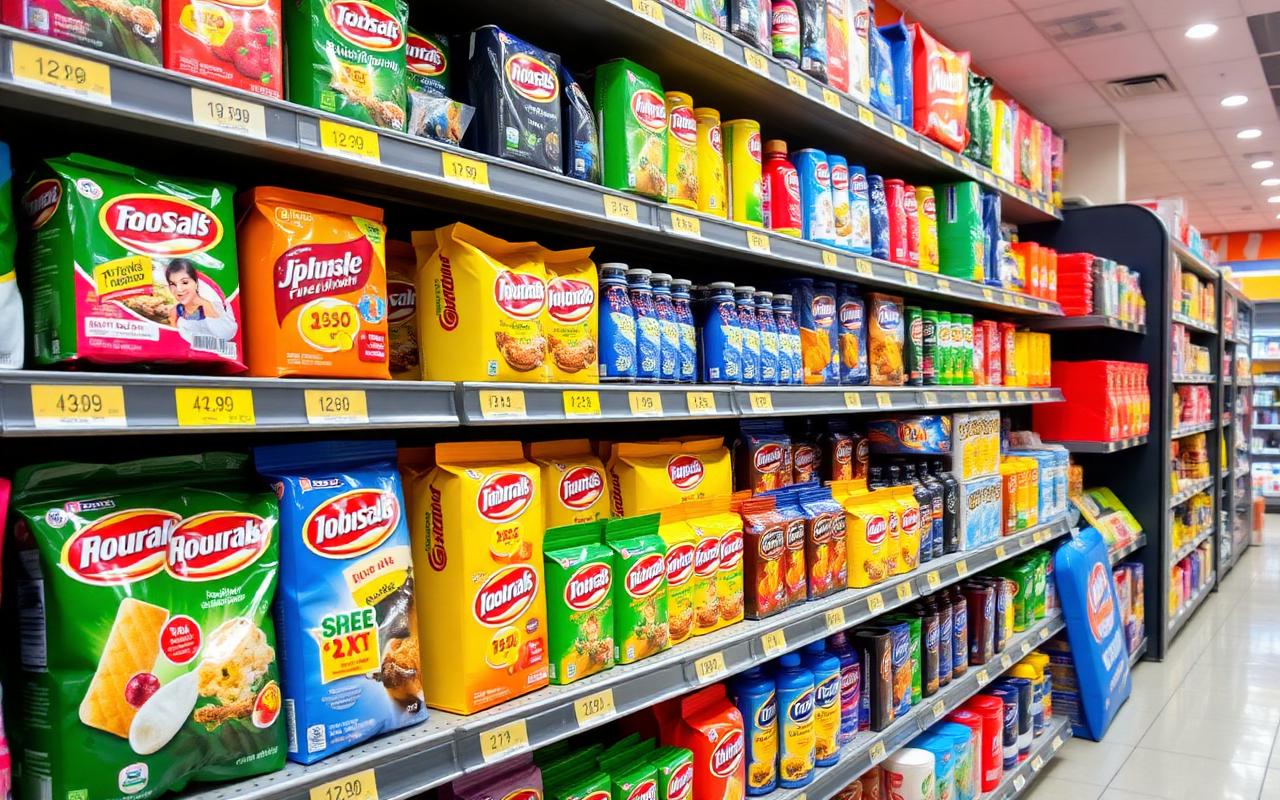
FMCG is the hardest category in influencer marketing. Unit economics are tight — a ₹50 packet of biscuits cannot justify a ₹50,000 creator fee on a per-conversion basis. Audiences are fragmented — the same brand might serve a 22-year-old college student in Ahmedabad and a 55-year-old joint-family decision-maker in Mehsana. Distribution is offline-heavy — most purchase happens at kirana stores and modern trade, not on Instagram. And the competitive set is brutal — every major FMCG category has 30+ brands fighting for shelf-share and mind-share.
Despite all of that, influencer marketing is becoming a meaningful and growing share of FMCG marketing spend in Gujarat. The brands doing it well are running a fundamentally different playbook from D2C or service brands — high-frequency, low-cost-per-post, recipe-and-usage content, retailer-amplification mechanics. This is that playbook.
Recipe, usage and 'how I include it in my routine' content
FMCG product usage is invisible by default — nobody films themselves opening a bag of chips. The creator brief must engineer visibility: recipe content using the product as a key ingredient, lunchbox content featuring it, 'snack haul' content including it among 5–6 items, 'what I keep in my fridge' content, gym-snack content, college-tiffin content.
These formats give creators natural reasons to show the product without it feeling forced. Brands that brief recipe and routine content systematically outperform brands that ask for direct product-review content in this category.
Modern trade and kirana amplification mechanics
FMCG conversion happens at the store, not on Instagram. The mechanic that bridges digital activation and offline conversion: creator content includes 'find it at your nearest [retailer chain]' tags, paired with in-store visibility (end-cap displays, shelf-talkers, billing-counter placements) at the named retailer.
When the creator's audience walks into the retailer that week and sees the product they just saw on Instagram prominently displayed, the conversion trigger fires. This combined digital-plus-physical visibility consistently drives the volumetric trial FMCG needs.
Related deep dive: Influencer Marketing Ideas for Everyday Consumer Products.
Family-decision-maker targeting in Gujarat
Gujarati households often involve joint decision-making for FMCG purchases — the daughter-in-law influencing what gets bought, the children influencing snack categories, the elder family member maintaining final say. Influencer casting that reflects this structure (multi-generational content, family meal content, 'my mother-in-law tried this' content) outperforms single-individual creator content in Gujarat FMCG.
Brief Gujarati women creators with strong family-content audiences. The conversion pattern in the category is genuinely different from the single-person-decision pattern that pan-India FMCG playbooks assume.
Repeat-purchase content sequences
FMCG depends on repeat purchase for profitability. Brief creators on second-and-third-time-use content: 'still loving this in week 3,' 'finally finished my first pack, restocking,' 'new flavour I tried.' This content normalises repeat purchase as a behaviour pattern and drives meaningful repeat-rate lifts.
Run these as retargeting ads against audiences exposed to the initial trial-driving content. Two-step funnel — trial driver, then repeat driver — outperforms single-message campaigns significantly.
Measurement: tracking trial rate, repeat rate and shelf velocity
FMCG attribution is harder than D2C because the conversion is offline at multiple retailers. The fix: combine three data sources — modern trade scanner data segmented by region (showing weekly unit-sales velocity), regional sales-team feedback on retailer reorder cadence, and direct-attribution surveys at high-foot-traffic stores.
Cross-reference with the creator activation calendar. Within 4–6 months the pattern emerges: campaign months show 15–40% velocity lifts over baseline months in the activated regions. That is the measurement that justifies the programme to category leadership.
The Bottom Line
FMCG influencer marketing requires a fundamentally different playbook from D2C or services — high creator volume, low per-piece cost, recipe-and-routine content, retailer amplification, family-decision casting in Gujarat, repeat-purchase sequences and category-share framing. Brands that adopt this playbook are quietly winning incremental category share against competitors still treating influencer marketing as occasional brand-building.
Influverse runs FMCG creator programmes for Gujarat-based brands across food, beverages, personal care and household. Request a proposal and we'll map a 90-day FMCG creator plan to your category and distribution footprint within 48 hours.
Frequently asked questions
What about: Volume over premium: the nano-and-micro density approach?+
FMCG cannot afford ₹3L macro creators per campaign — the per-unit math breaks. The economics only work at nano and micro tier, with high volume: 30–80 creators per quarter, each at ₹3K–₹25K per piece of content. The aggregate spend hits ₹8–25L per quarter, but the unit cost per piece of content stays under ₹15K.
What about: Recipe, usage and 'how I include it in my routine' content?+
FMCG product usage is invisible by default — nobody films themselves opening a bag of chips. The creator brief must engineer visibility: recipe content using the product as a key ingredient, lunchbox content featuring it, 'snack haul' content including it among 5–6 items, 'what I keep in my fridge' content, gym-snack content, college-tiffin content.
What about: Modern trade and kirana amplification mechanics?+
FMCG conversion happens at the store, not on Instagram. The mechanic that bridges digital activation and offline conversion: creator content includes 'find it at your nearest [retailer chain]' tags, paired with in-store visibility (end-cap displays, shelf-talkers, billing-counter placements) at the named retailer.
What about: Family-decision-maker targeting in Gujarat?+
Gujarati households often involve joint decision-making for FMCG purchases — the daughter-in-law influencing what gets bought, the children influencing snack categories, the elder family member maintaining final say. Influencer casting that reflects this structure (multi-generational content, family meal content, 'my mother-in-law tried this' content) outperforms single-individual creator content in Gujarat FMCG.
What about: Repeat-purchase content sequences?+
FMCG depends on repeat purchase for profitability. Brief creators on second-and-third-time-use content: 'still loving this in week 3,' 'finally finished my first pack, restocking,' 'new flavour I tried.' This content normalises repeat purchase as a behaviour pattern and drives meaningful repeat-rate lifts.
Keep reading
 Photography
How Camera and Production Brands Collaborate With Creators (The Output-First Partnership Playbook)
Influencer Marketing Ideas for Photography Businesses
 Construction