
How to Value a Barter Collaboration: Converting Product MRP Into Creator Rate
10 min read · Influverse · Ahmedabad
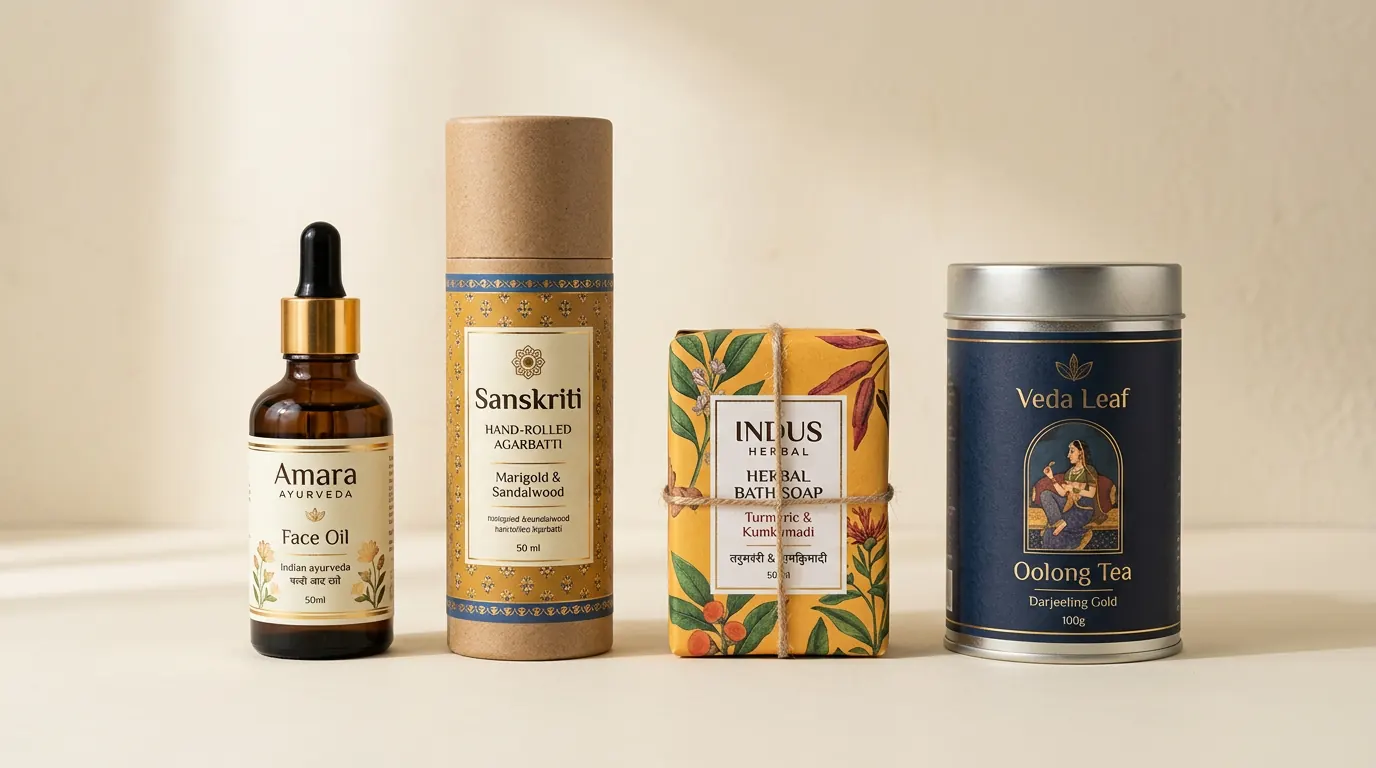
How to Value a Barter Collaboration: Converting Product MRP Into Creator Rate
The core valuation problem in barter is that the two sides use different currencies. The brand thinks in MRP; the creator thinks in their rate card. Without a conversion rate between the two, every negotiation is a guess.
This framework gives you that conversion — how much creator rate a rupee of MRP actually buys, and how it shifts by tier, category and deliverable.
Step 1: establish the creator's cash rate
Start from the market rate for the deliverable, not the creator's ask. India 2026 benchmarks for a single Instagram Reel: nano (1k–10k) ₹2,500–₹10,000; small micro (10k–30k) ₹8,000–₹25,000; micro (30k–100k) ₹20,000–₹85,000. Stories run 15–25% of Reel rate each; carousels 50–70%.
Our /tools/influencer-pricing calculator runs the full six-variable model if you want a defensible number rather than an estimate.
Step 2: apply the MRP discount factor
Product is worth less to a creator than cash of the same face value, because it is illiquid, non-substitutable and taxable. The practical exchange rate in India sits at roughly 0.55–0.75 — meaning ₹1,000 of MRP is perceived as ₹550–₹750 of cash value.
The factor rises toward 0.9 when the product is something the creator would genuinely have bought (a skincare routine for a beauty creator, a stay for a travel creator) and falls toward 0.35 for generic or low-desirability items.
Step 3: apply category and tier multipliers
Category: beauty, fashion, F&B and travel accept barter readily (factor 0.7–0.85). Tech, finance, real estate and B2B rarely accept it at all (0.2–0.4 if they engage). Fitness and home sit in the middle.
Tier: nano creators value product highest (0.75–0.9). By 50k the factor drops to 0.45–0.6, and above 100k pure barter effectively stops working outside of luxury hosted experiences.
Related deep dive: Barter Collaborations for Salons, Spas and Aesthetic Clinics.
The formula, worked
Required MRP = (creator cash rate for the deliverable set) ÷ (exchange factor).
Example: a 22k-follower beauty creator, Reel + 2 Stories, cash rate ₹14,000. Beauty nano-micro factor 0.75. Required MRP = 14,000 ÷ 0.75 = ₹18,700. So a ₹19,000 MRP kit is a fair barter offer; a ₹4,000 kit is worth roughly one Story, and asking for a Reel against it is why your DMs go unanswered.
Run this in reverse to size your seeding kits: if your standard kit is ₹3,000 MRP, the fair ask is a Reel from a creator whose cash rate is around ₹2,250 — realistically a 3k–8k follower nano.
What brands forget to add on their side
Content value: each usable barter asset saves ₹2,000–₹8,000 in studio production. Fifty deliverables can offset an entire quarter's content budget.
Sampling value: a seeded creator is also a trialist who may become a repeat customer and a paid partner. In beauty and F&B, 20–35% of seeded creators buy again within six months.
Count both when calculating barter ROI, or you will systematically underrate the channel and underinvest in it.
The Bottom Line
Barter valuation is a conversion problem, not a haggling problem. Fix the exchange rate, apply the multipliers, and both sides can see whether the deal is fair in thirty seconds.
Use /tools/influencer-pricing to establish the cash baseline, then apply this framework — or have Influverse scope the whole programme at /contact.
Frequently asked questions
What about: Step 1: establish the creator's cash rate?+
Start from the market rate for the deliverable, not the creator's ask. India 2026 benchmarks for a single Instagram Reel: nano (1k–10k) ₹2,500–₹10,000; small micro (10k–30k) ₹8,000–₹25,000; micro (30k–100k) ₹20,000–₹85,000. Stories run 15–25% of Reel rate each; carousels 50–70%.
What about: Step 2: apply the MRP discount factor?+
Product is worth less to a creator than cash of the same face value, because it is illiquid, non-substitutable and taxable. The practical exchange rate in India sits at roughly 0.55–0.75 — meaning ₹1,000 of MRP is perceived as ₹550–₹750 of cash value.
What about: Step 3: apply category and tier multipliers?+
Category: beauty, fashion, F&B and travel accept barter readily (factor 0.7–0.85). Tech, finance, real estate and B2B rarely accept it at all (0.2–0.4 if they engage). Fitness and home sit in the middle.
What about: The formula, worked?+
Required MRP = (creator cash rate for the deliverable set) ÷ (exchange factor).
What brands forget to add on their side?+
Content value: each usable barter asset saves ₹2,000–₹8,000 in studio production. Fifty deliverables can offset an entire quarter's content budget.
Keep reading