
What Is Barter Collaboration on Instagram? The Plain-English 2026 Explainer
9 min read · Influverse · Ahmedabad
What Is Barter Collaboration on Instagram? The Plain-English 2026 Explainer
Ask ten Indian brands what a barter collaboration on Instagram is and you will get ten slightly different answers — free product for a post, a discount for a Story, a hosted dinner for a Reel, or in the worst cases 'we sent them a hamper and hoped'. That ambiguity is precisely why barter campaigns fail: nobody wrote down what was actually being exchanged.
This explainer settles the definition in plain English, covers what each side genuinely owes the other in 2026, and gives you a decision rule for when barter is the right instrument and when it is a waste of everyone's warehouse space.
The plain-English definition
A barter collaboration is a commercial agreement in which a brand pays a creator in goods or services instead of cash, in exchange for agreed content deliverables. It is not a gift, not a favour and not 'free PR' — it is a transaction where the currency happens to be product.
That single reframing fixes most barter problems. Because it is a transaction, it needs the same components as a paid deal: a defined deliverable, a defined timeline, defined usage rights and a defined value. The only thing that changes is the payment instrument.
What the brand actually gives
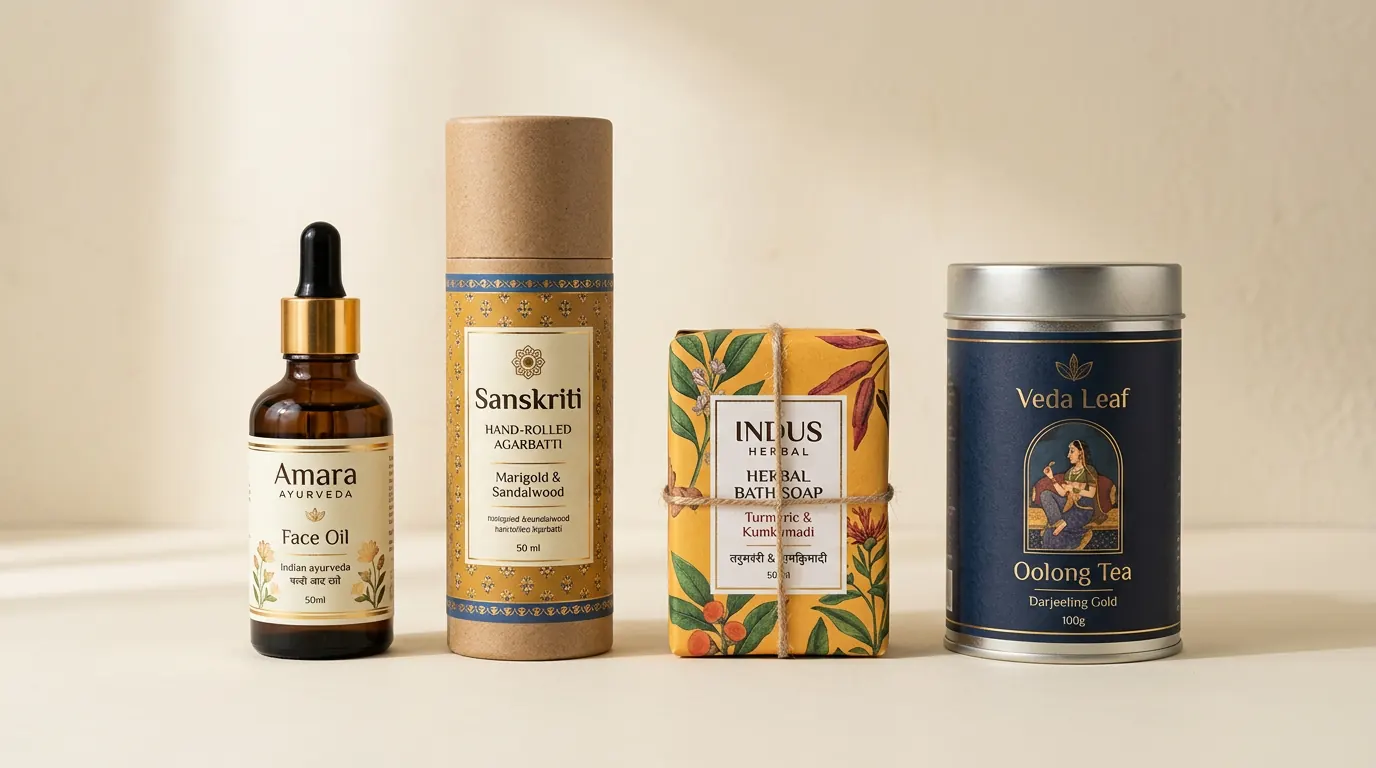
The brand gives product or service value at MRP — a ₹3,200 skincare set, a ₹6,000 hosted dinner for two, a ₹12,000 apparel credit, a ₹9,000 salon service. It also gives, whether it realises it or not, shipping cost, coordination time, and the opportunity cost of inventory it could otherwise have sold.
The honest internal number is not MRP; it is landed cost plus operations. A brand seeding 50 creators at ₹1,500 COGS each is running a ₹75,000 campaign plus roughly 30–40 hours of coordination. Budget it like a campaign, because it is one.
What the creator actually owes
The creator owes the specific deliverables written into the agreement — for example, one Reel of 20–40 seconds, two Stories with a product tag and a link sticker, and a 30-day posting window. Anything not written down is not owed, and pretending otherwise is how brands earn a bad reputation in creator WhatsApp groups.
The creator also owes disclosure. Under ASCI's guidelines, gifted content is material connection and must carry a clear label such as #ad, #collab, 'gifted' or Instagram's paid-partnership tag. The obligation exists even though no money changed hands.
Related deep dive: Why Most Barter Campaigns Produce Landfill Content (and 7 Fixes).
When barter works — and when it does not
Barter works when the product itself is the experience: restaurants, cafés, salons, spas, hotels, beauty, fashion, home décor, pet care and anything with a high perceived MRP relative to COGS. It also works at nano and small-micro scale (1k–25k followers), where the product value is a genuinely meaningful percentage of a creator's typical rate.
Barter does not work for services with no tangible artefact, for creators above roughly 60k followers who are fully monetised, for anything requiring dedicated production effort (a scripted 3-minute YouTube video is not a ₹2,000 hamper), and for regulated categories where content requires legal review.
The three most common barter mistakes
First, no brief. The creator gets a box and no context, so they post an unboxing that says nothing about why the product exists. Second, no window. Content trickles in over five months and the launch moment is long gone. Third, no rights conversation — the brand reposts the Reel as a paid ad, the creator objects, and a cheap collaboration becomes an expensive dispute.
All three are solved by a one-page agreement. See our clause-by-clause barter collaboration agreement template at /blog/barter-collaboration-agreement-template-india.
The Bottom Line
Barter is not the cheap version of influencer marketing; it is a different instrument with different mechanics. Treated as a transaction with real terms, it seeds genuine advocacy at a fraction of cash cost. Treated as free stuff, it produces landfill content and burnt relationships.
If you want a barter programme designed, briefed and run properly across 20–100 creators, Influverse builds and operates them end to end — request a proposal at /contact.
Frequently asked questions
What about: The plain-English definition?+
A barter collaboration is a commercial agreement in which a brand pays a creator in goods or services instead of cash, in exchange for agreed content deliverables. It is not a gift, not a favour and not 'free PR' — it is a transaction where the currency happens to be product.
What the brand actually gives?+
The brand gives product or service value at MRP — a ₹3,200 skincare set, a ₹6,000 hosted dinner for two, a ₹12,000 apparel credit, a ₹9,000 salon service. It also gives, whether it realises it or not, shipping cost, coordination time, and the opportunity cost of inventory it could otherwise have sold.
What the creator actually owes?+
The creator owes the specific deliverables written into the agreement — for example, one Reel of 20–40 seconds, two Stories with a product tag and a link sticker, and a 30-day posting window. Anything not written down is not owed, and pretending otherwise is how brands earn a bad reputation in creator WhatsApp groups.
When barter works — and when it does not?+
Barter works when the product itself is the experience: restaurants, cafés, salons, spas, hotels, beauty, fashion, home décor, pet care and anything with a high perceived MRP relative to COGS. It also works at nano and small-micro scale (1k–25k followers), where the product value is a genuinely meaningful percentage of a creator's typical rate.
What about: The three most common barter mistakes?+
First, no brief. The creator gets a box and no context, so they post an unboxing that says nothing about why the product exists. Second, no window. Content trickles in over five months and the launch moment is long gone. Third, no rights conversation — the brand reposts the Reel as a paid ad, the creator objects, and a cheap collaboration becomes an expensive dispute.
Keep reading