
Barter Promotion Explained: What Brands Give, What Creators Owe
9 min read · Influverse · Ahmedabad
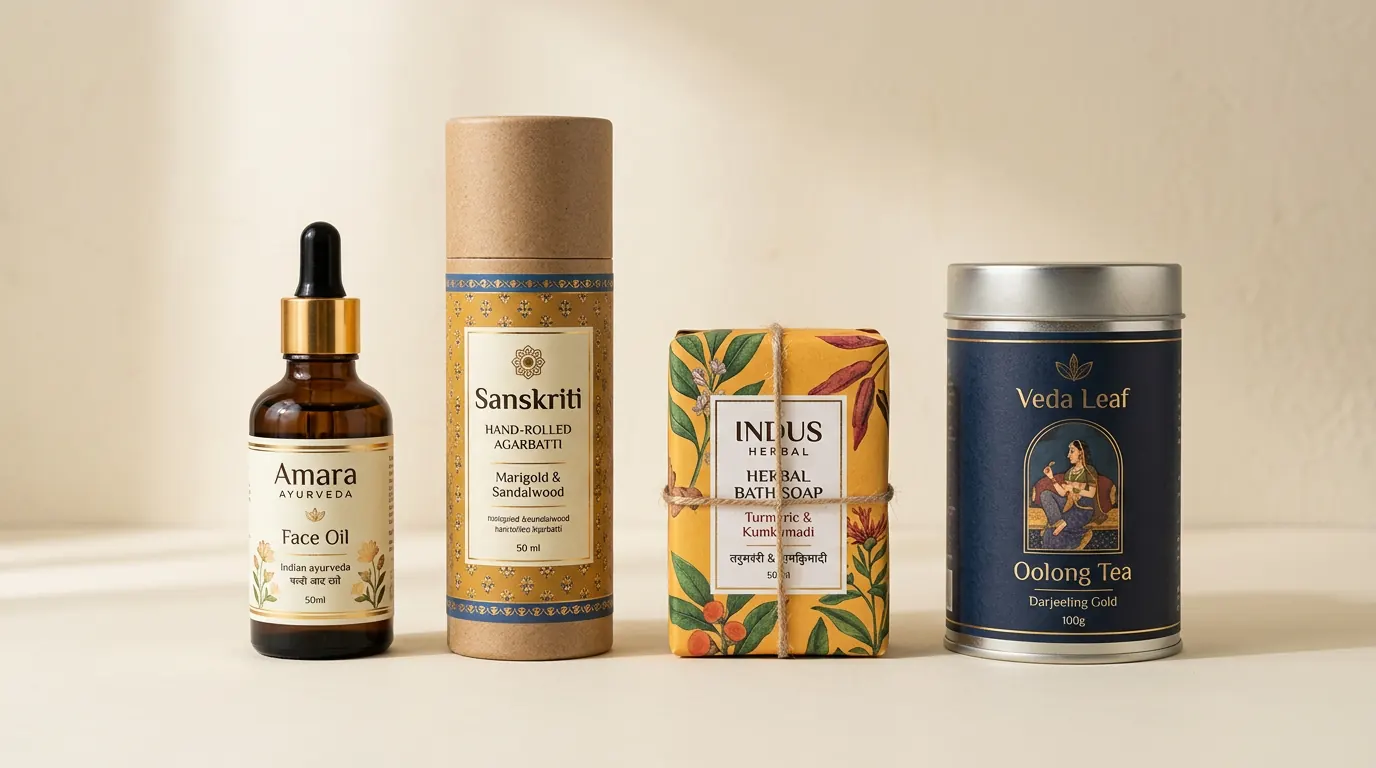
Barter Promotion Explained: What Brands Give, What Creators Owe
Barter promotion is an exchange, and exchanges fail when the two sides value the trade differently. The brand thinks ₹4,000 of product buys a week of content; the creator thinks it buys one Story. Neither wrote it down, so both are right and both are annoyed.
This guide lays out both obligation lists explicitly, so you can hand it to either side of a deal and remove the ambiguity in one message.
What the brand owes
Product of the stated value, in stock, in the creator's actual size or variant preference — not last season's leftovers. A written brief covering key messages, do-not-say items, tags and hashtags. Reasonable creative freedom: the creator's format is the reason you approached them.
Also: prompt shipping with tracking, a named contact who answers within 24 hours, and clarity on usage rights before the content goes live. Reposting to your grid and Stories is standard and should be stated; running the content as a paid ad is not standard and needs explicit permission.
What the creator owes
Delivery of the exact agreed formats within the agreed window. Honest disclosure per ASCI. Basic quality — lighting, audio and framing consistent with their normal output, not a rushed mirror clip.
Also: no competitor promotion inside the agreed exclusivity window (typically 7–14 days for barter, never 90), a heads-up if the deadline will slip, and leaving the content live for the agreed minimum period — 90 days is the usual floor.
The fair-value test
A useful sanity check: barter is fair when the MRP of the product is at least 60–80% of the creator's cash rate for the same deliverable. A creator whose Reel rate is ₹8,000 is being treated fairly at ₹5,000–₹6,500 MRP, and poorly at ₹1,200.
Below roughly 40%, expect low delivery rates, low-effort content, and a creator who quietly deprioritises you. Above 100% of the cash rate, you are overpaying in inventory and should simply pay cash and keep the margin.
Related deep dive: What Is Barter Collaboration on Instagram? The Plain-English 2026 Explainer.
Where barter promotions go wrong
Scope creep is the biggest offender — brands adding 'and can you also do a Story on launch day, and tag our founder, and post again next month' after the deal is agreed. Each addition without additional value converts a fair trade into an unfair one and torches the relationship for future paid work.
The second offender is silent rights expansion: running barter content as Meta ads without permission. Whitelisting has real market value (+25–40% on a paid rate), so asking for it free inside a barter deal is asking for a second deal at no cost.
Making the exchange visibly balanced
State the MRP in the outreach. Cap the deliverables. Give a window, not a deadline. Offer the creator something beyond product where you can — a repost to a large brand page, a discount code they earn commission on, first refusal on the next paid campaign. These cost you little and materially raise both acceptance and effort.
The Bottom Line
A barter promotion is balanced when both sides can state, in one line each, what they gave and what they got. If either side hesitates, the deal is mispriced.
Influverse designs balanced barter programmes that creators actually accept — see /contact to scope one.
Frequently asked questions
What the brand owes?+
Product of the stated value, in stock, in the creator's actual size or variant preference — not last season's leftovers. A written brief covering key messages, do-not-say items, tags and hashtags. Reasonable creative freedom: the creator's format is the reason you approached them.
What the creator owes?+
Delivery of the exact agreed formats within the agreed window. Honest disclosure per ASCI. Basic quality — lighting, audio and framing consistent with their normal output, not a rushed mirror clip.
What about: The fair-value test?+
A useful sanity check: barter is fair when the MRP of the product is at least 60–80% of the creator's cash rate for the same deliverable. A creator whose Reel rate is ₹8,000 is being treated fairly at ₹5,000–₹6,500 MRP, and poorly at ₹1,200.
Where barter promotions go wrong?+
Scope creep is the biggest offender — brands adding 'and can you also do a Story on launch day, and tag our founder, and post again next month' after the deal is agreed. Each addition without additional value converts a fair trade into an unfair one and torches the relationship for future paid work.
What about: Making the exchange visibly balanced?+
State the MRP in the outreach. Cap the deliverables. Give a window, not a deadline. Offer the creator something beyond product where you can — a repost to a large brand page, a discount code they earn commission on, first refusal on the next paid campaign. These cost you little and materially raise both acceptance and effort.
Keep reading